Oral Presentations
발표를 통해 문제, 아이디어, 근거를 전달합니다.

29 JUL–02 AUG 2026THAILAND × SOUTH KOREA
작품 기록 살펴보기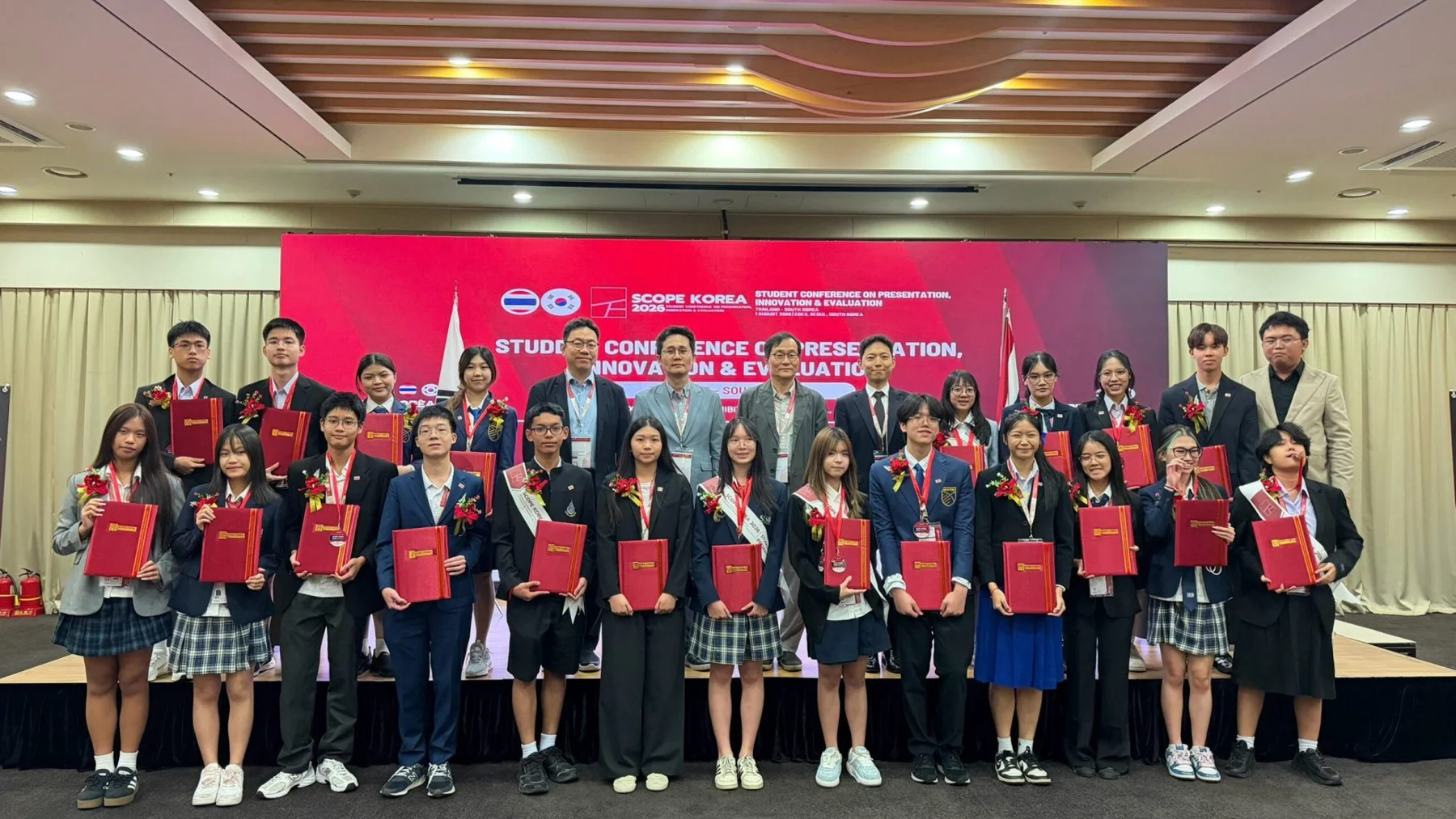
SCOPE KOREA 3기는 2026년 7월 29일–8월 2일 진행되었으며 8월 1일 COEX에서 발표했습니다. 작품과 발표자, 학교, 실제 영상을 살펴보세요.
해당 회차의 공개 기록을 기준으로 집계했습니다.
การประชุมวิชาการนักเรียนว่าด้วยการนำเสนอผลงาน นวัตกรรม และการประเมินผล (ไทย–เกาหลีใต้)
2026 스코프 코리아(SCOPE KOREA) 학생 학술발표 및 혁신역량 평가대회
발표를 통해 문제, 아이디어, 근거를 전달합니다.
설명과 학술 교류를 위해 작품을 구성합니다.
질문에 답하고 전문가의 관점을 배웁니다.

Stroke Rehabilitation Enhancement With AI — MISS DHRAVARIN BHUANANTANONDH
Singapore International School of Bangkok · SCOPE KOREA GEN 03
작품, 발표자, 학교로 검색한 뒤 상세 기록과 발표 영상을 확인하세요.
표시 8 / 21 작품
프로그램 기록에 소개된 교수진의 직함, 약력, 전문 분야입니다.
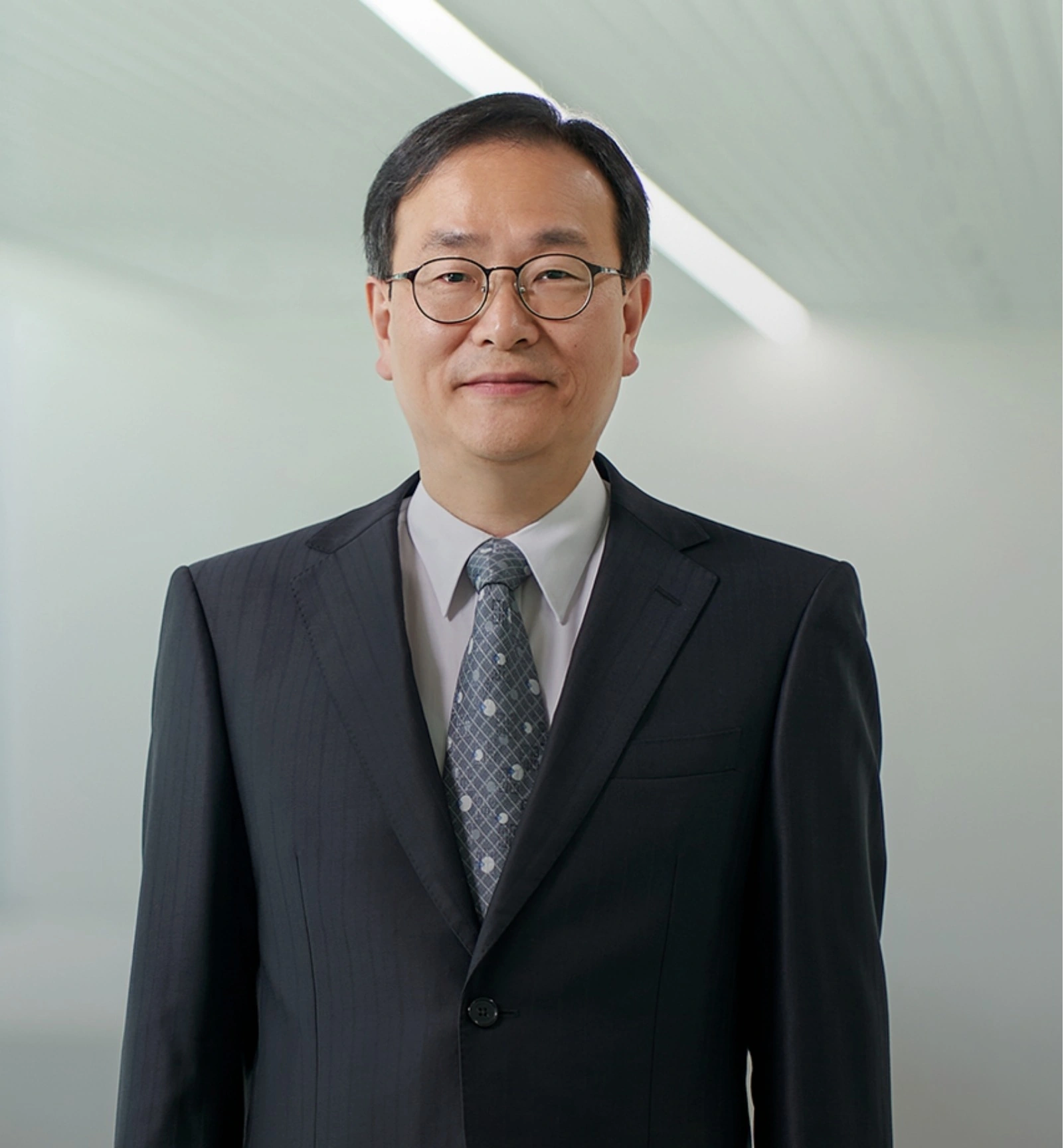 교수
교수University of Seoul
생화학·신경과학스탠퍼드 연구 경력을 바탕으로 뇌의 단백질 품질 관리와 신경 퇴행의 원리를 연구합니다.
학력 및 경력단백질 분해 · 자가포식 · 성상교세포 · 신경 보호
기관 약력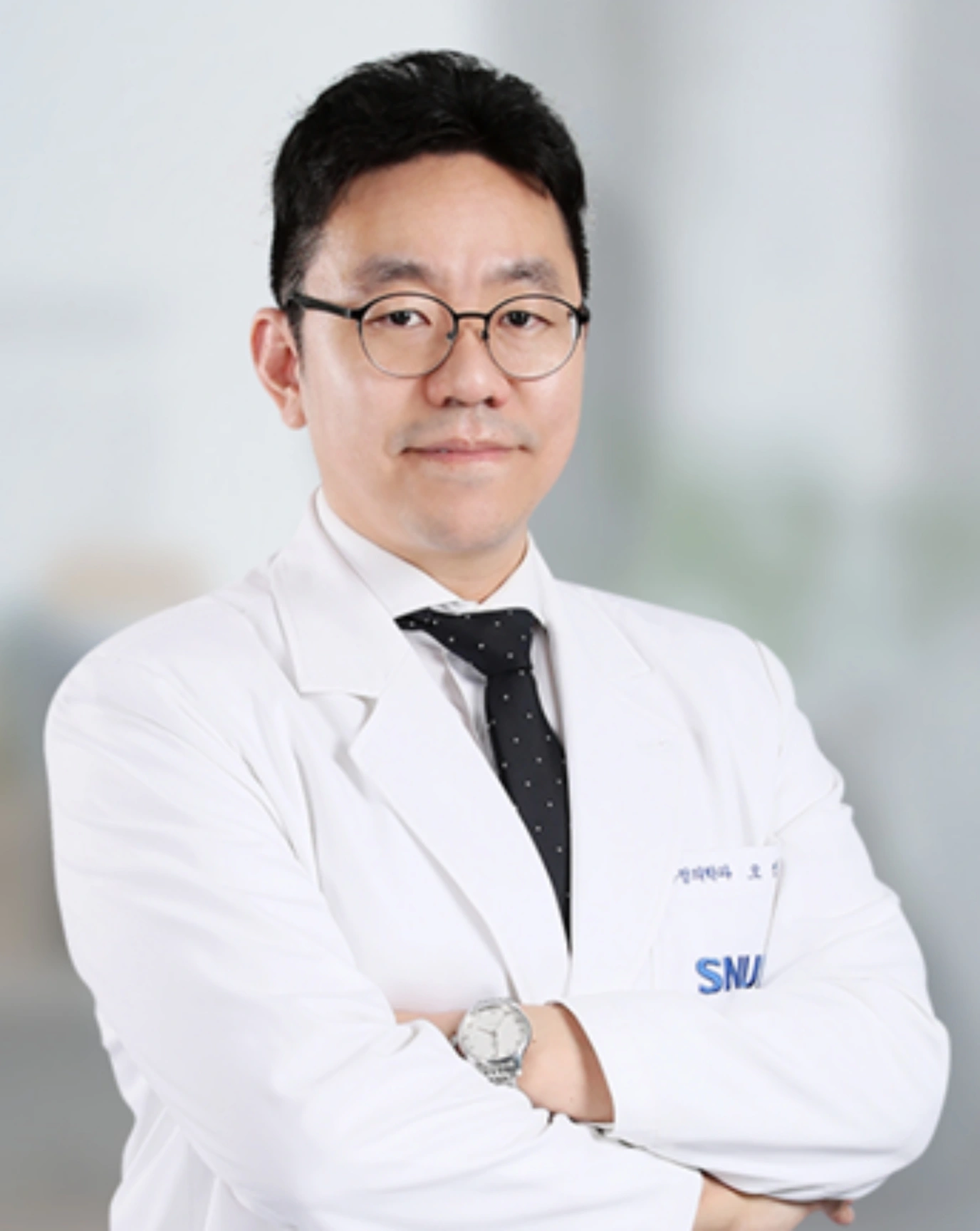 교수
교수Seoul National University
가정의학·인구 건강환자 진료, 건강 검진, 인구 기반 근거를 연결하는 가정의학 임상의이자 연구자입니다.
학력 및 경력건강 검진 · 만성질환 발견 · 영양과 정신건강 · 노인 건강
기관 약력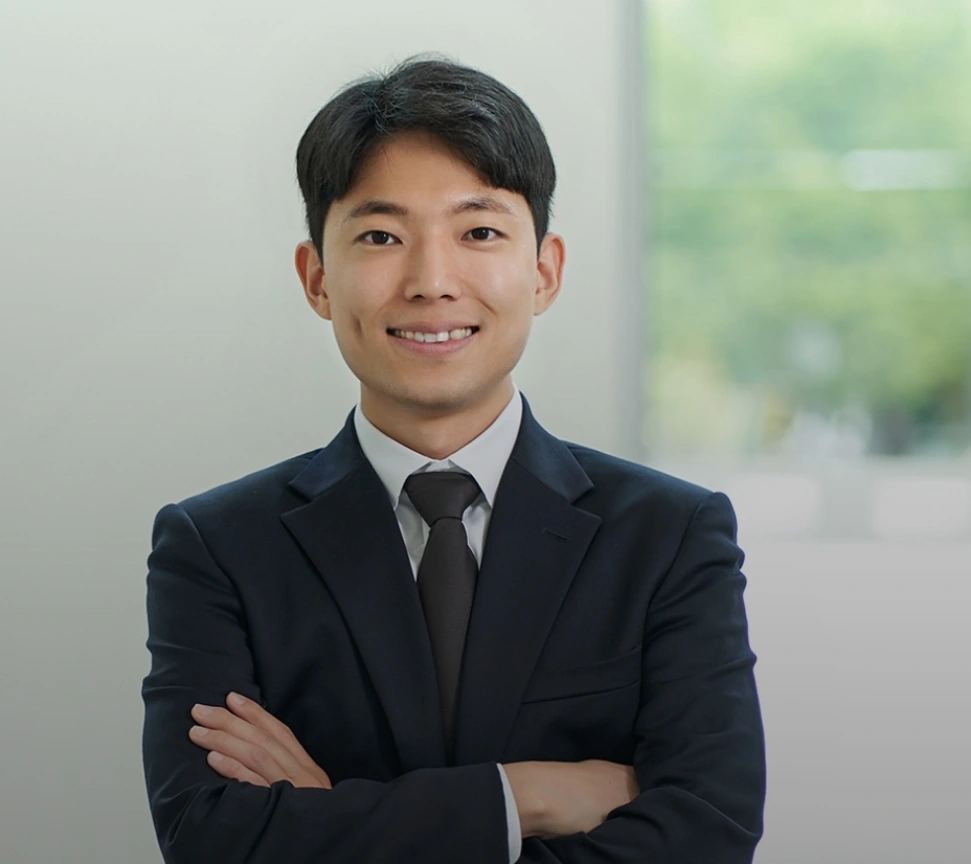 조교수
조교수University of Seoul
뇌·학습·기억MIT에서 박사학위를 받고 학습과 기억을 가능하게 하는 신경세포 연결의 변화를 연구합니다.
학력 및 경력시냅스 가소성 · 학습과 기억의 분자 기전
기관 약력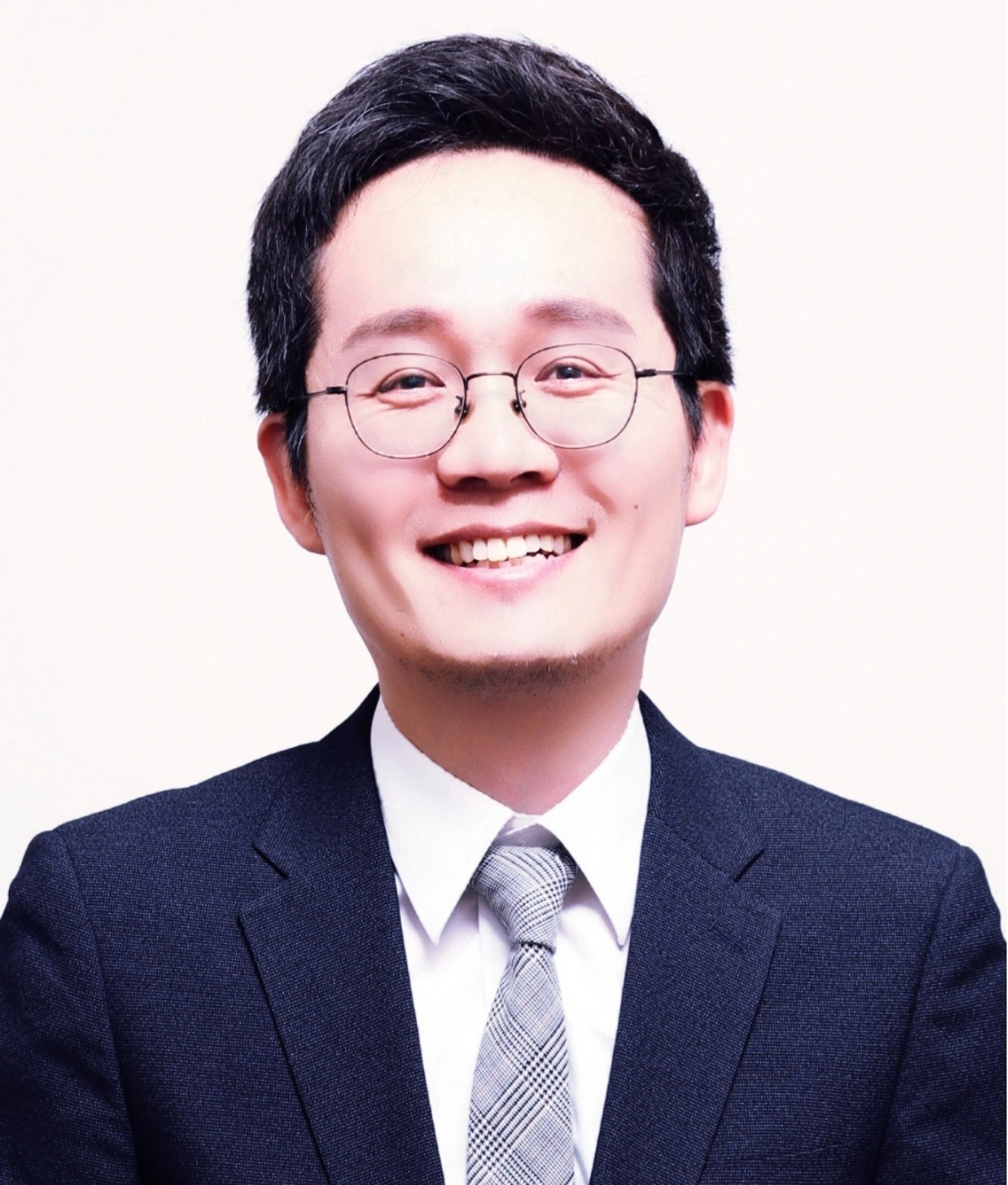 부교수
부교수Sogang University
암생물학·분자 연구UT MD Anderson과 밴더빌트에서의 연구 경험을 바탕으로 암생물학, 종양 기전, 비암호화 RNA를 연구합니다.
학력 및 경력암생물학 · 비암호화 RNA · 전립선암 · 종양 기전
기관 약력프로그램 기록의 명단입니다. 회차별 심사위원은 해당 공지를 확인하세요.
SCOPE KOREA GEN 03 기록 사진 · 사진을 선택하면 확대됩니다
지원 전 발표 형식, 견학 계획, 다음 회차의 상세 내용을 살펴보세요.
원본 자료에는 지난 회차의 날짜와 조건이 포함될 수 있습니다. 지원 회차의 안내와 TechEd Testing 공지를 따르세요.
การประชุมวิชาการนักเรียนว่าด้วยการนำเสนอผลงาน นวัตกรรม และการประเมินผล (ไทย-เกาหลีใต้) ปี 2025 - 2026 발표, 혁신 및 평가에 관한 학생 학술대회 (스코프 코리아 2025 - 2026)รวบรวมผลงานของนักเรียนที่ได้รับคัดเลือกให้นำเสนอผลงานทางวิชาการและนวัตกรรมในโครงการ SCOPE KOREA
อดีตรองคณบดีคณะวิทยาศาสตร์ชีวภาพ และอดีตหัวหน้าภาควิชาวิทยาศาสตร์ชีวภาพ มหาวิทยาลัยโซล (University of Seoul, South Korea) ผู้เชี่ยวชาญด้านชีวเคมี (Biochemistry) และวิทยาศาสตร์ประสาท (Neuroscience) มีผลงานวิจัยตีพิมพ์มากกว่า 20 ปี ในวารสารชั้นนำระดับโลก
ภาควิชาเวชศาสตร์ มหาวิทยาลัยแห่งชาติโซล (Seoul National University, สาธารณรัฐเกาหลี) ผู้ทรงคุณวุฒิและอาจารย์แพทย์ โรงพยาบาล SMG-SNU Boramae Medical Center สาธารณรัฐเกาหลีมีผลงานวิจัยตีพิมพ์มากมายในวารสารชั้นนำระดับโลก
ภาควิชาวิทยาศาสตร์ชีวภาพ มหาวิทยาลัยโซล (University of Seoul, South Korea) ผู้เชี่ยวชาญวิศวกรรมศาสตร์และด้านประสาทวิทยาศาสตร์ (Neuroscience) การทำงานของสมอง ระบบการเรียนรู้ ความจำ และความผิดปกติทางจิตเวช จบปริญญาเอกจาก Massachusetts Institute of Technology (MIT, USA) มีผลงานวิจัยตีพิมพ์มากมายในวารสารชั้นนำระดับโลก
ภาควิชาวิทยาศาสตร์ชีวภาพ มหาวิทยาลัยโซกัง (Sogang University, South Korea) ผู้เชี่ยวชาญด้านมะเร็งวิทยา (Cancer Biology) มะเร็งต่อมลูกหมาก กลไกการเกิดเนื้องอก และงานวิจัย non-coding RNA มีผลงานวิจัยร่วมกับศูนย์มะเร็งชั้นนำของโลก อาทิ MD Anderson Cancer Center (USA) สถาบันมะเร็งอันดับ 2 ของโลก
Discover student innovations, academic ideas, and presentations from previous generations of SCOPE KOREA. สำรวจผลงาน แนวคิด และการนำเสนอทางวิชาการของนักเรียนไทยจาก SCOPE KOREA รุ่นที่ผ่านมา
Student Conference on Presentation, Innovation & Evaluation (SCOPE KOREA 2026) ณ ศูนย์ประชุมและการจัดนิทรรศการโคเอ็กซ์ กรุงโซล สาธารณรัฐเกาหลี เมื่อวันเสาร์ที่ 1 สิงหาคม 2569
01 | GEN 03 · AUGUST 2026
MISS DHRAVARIN BHUANANTANONDH
Singapore International School of Bangkok
Background & Principle
Objective
Conclusion and Expected Impact
RehabSwift integrates low-cost EMG technology, signal processing, 3D muscle visualization, and cognitive rehabilitation into a single, user-friendly platform for stroke recovery. By providing objective muscle assessment, personalized exercise recommendations, and continuous progress tracking, the system supports more effective home-based rehabilitation while assisting therapists in monitoring patient recovery. This affordable and accessible solution has the potential to improve rehabilitation outcomes, reduce healthcare costs, expand access to rehabilitation services in resource-limited areas, and ultimately enhance the quality of life of stroke survivors.
02 | GEN 03 · AUGUST 2026
MISS KULTHARINT LOYWATTANA SRIKROD
Ruamruedee International School
Background & Principle
Objective
Conclusion and Expected Impact
RehabSwift integrates low-cost EMG technology, signal processing, 3D muscle visualization, and cognitive rehabilitation into a single, user-friendly platform for stroke recovery. By providing objective muscle assessment, personalized exercise recommendations, and continuous progress tracking, the system supports more effective home-based rehabilitation while assisting therapists in monitoring patient recovery. This affordable and accessible solution has the potential to improve rehabilitation outcomes, reduce healthcare costs, expand access to rehabilitation services in resource-limited areas, and ultimately enhance the quality of life of stroke survivors.
03 | GEN 03 · AUGUST 2026
MISS NANNAPHIN PONGPHATAROTHAI
Mahidol University International Demonstration School
Background & Principle
Objective
Conclusion and Expected Impact
04 | GEN 03 · AUGUST 2026
MASTER NATHAS KHAYANCHING
Prince of Songkla University Wittayanusorn School
Background & Principle
Objective
Conclusion and Expected Impact
05 | GEN 03 · AUGUST 2026
MASTER NATTANICH THONGMEE
Ekamai International School
Background & Principle
Objective
Conclusion and Expected Impact
06 | GEN 03 · AUGUST 2026
MISS NISANART LAOHARAVEE
Ruamruedee International School
Background & Principle
Objective
Conclusion and Expected Impact
07 | GEN 03 · AUGUST 2026
MR. NITIS SEPAYA
Suankularb Wittayalai Rangsit School
Background & Principle
Objective
Conclusion and Expected Impact
08 | GEN 03 · AUGUST 2026
MASTER PANUWAT JARASJANYAWAT
Thai-Chinese International School
Background & Principle
Objective
Conclusion and Expected Impact
10 | GEN 03 · AUGUST 2026
MR. PEERAWIT KITCHALARAT
Yupparaj Wittayalai School
Background & Principle
Objective
Conclusion and Expected Impact
11 | GEN 03 · AUGUST 2026
MISS PIMLERDWADEE LEELERDWONG
The Newton Sixth Form School
Background & Principle
Objective
Conclusion and Expected Impact
12 | GEN 03 · AUGUST 2026
MISS PLOYPAPASA KITJAWATWORRAWET
The Newton Sixth Form School
Background & Principle
Objective
Conclusion and Expected Impact
COZZI demonstrates the potential of combining AI and sleep technology to provide personalized, non-invasive support for better sleep and long-term brain health
13 | GEN 03 · AUGUST 2026
MASTER PORDEE PITAKPONGSANIT
Panyaprateep School
Background & Principle
Oral diseases affect nearly 8-9 out of 10 people, but many lack basic oral health knowledge, leading to delayed care or unnecessary treatments.
Thailand has a high patient workload with approximately one dentist for every 8,000 people, limiting consultation time and making preventive care difficult.
DentalAI serves as an early-warning and preliminary screening tool to help users identify potential oral health problems before visiting a dentist
Objective
Develop an AI-powered oral health device that provides an accessible and user-friendly tool for preliminary oral health screening and self-care knowledge.
Analyze oral images using AI to identify major oral diseases from user-submitted images.
Generate personalized oral health assessments with a simple 1–5 oral health score and easy-to-understand recommendations.
Promote preventive healthcare by encouraging early detection, self-care, and long-term oral health awareness
Conclusion and Expected Impact
DentalAI is an accessible tool for preliminary oral health screening using AI-based analysis of intraoral images to evaluate dental diseases like gingivitis and dental caries.
The system indicates severity, provides self-care guidance, suggests when to visit a dentist, and estimates treatment costs.
It aims to promote early detection, increase public awareness, reduce disease progression, ease dentists’ workload, and improve overall access to dental care
14 | GEN 03 · AUGUST 2026
MISS PREUDSAMON SRITRAKOOL
Khon Kaen Wittayayon School
Background & Principle
Natural limitation: Human permanent teeth cannot regrow because an inhibitory molecule (USAG-1 protein) acts as a brake.
Limitations of systemic injection: Administering Anti-USAG-1 via the bloodstream causes severe side effects, including toxicity to other organs (bones and kidneys) and the risk of misaligned teeth due to a lack of precision
Objective
Synthesize an oral-suited thermo-responsive hydrogel.
Analyze controlled Anti-USAG-1 antibody release kinetics.
Assess system safety and tooth germ regeneration efficacy
Conclusion and Expected Impact
The project successfully solved the major issue of treatment with Anti-USAG-1 by using hydrogel as a spatial control agent.
It transitions the era of dentistry from “using replacement devices” to “Regenerative Dentistry,” allowing humans to safely regrow natural teeth for the first time
15 | GEN 03 · AUGUST 2026
MISS PROMAPA THANCHAROENKIT
Singapore International School of Bangkok
Background & Principle
Organ transplantation is a life-saving treatment, but successful outcomes depend on rapid and safe organ transportation.
Interviews with transportation personnel identified traffic congestion and adverse weather as major causes of delays.
This project explores a drone-compatible organ preservation system inspired by normothermic machine perfusion to improve transportation efficiency while maintaining organ viability
Objective
To reduce transportation-related delays during organ delivery.
To design a lightweight drone-compatible organ preservation module.
To maintain organ viability through continuous monitoring and preservation.
To improve the efficiency and reliability of transplant logistics
Conclusion and Expected Impact
This project proposes an autonomous drone-based organ preservation system to improve organ transportation efficiency.
By reducing transport delays while maintaining organ viability, it aims to reduce transportation-related ischemic injury and improve transplant outcomes.
This concept demonstrates the potential of biomedical engineering to address real-world challenges in transplant logistics
16 | GEN 03 · AUGUST 2026
MISS PUNNALUCK MUANGSONG
The Prince Royal's College
Background & Principle
Students with ADHD often struggle to focus, lack continuity in learning, and lose motivation, leading to lower-than-expected academic achievements.
Studies indicate that children with ADHD learn more effectively when engaged in concise, interactive learning activities with consistent positive reinforcement.
FocusBuddy AI was developed as an intelligent application integrating AI with gamification and adaptive learning concepts to help students learn effectively in a way tailored to their individual abilities
Objective
To develop the FocusBuddy AI application to support learning for students with ADHD.
To help improve concentration and focus during lessons, and foster learning motivation through a gamification and reward system.
To evaluate user satisfaction with the application
Conclusion and Expected Impact
Every child has potential, but not everyone learns in the same way.
FocusBuddy AI is more than just a learning assistant; it is a “companion that truly understands the learner”.
It ensures that every child has the opportunity to learn to their full potential
17 | GEN 03 · AUGUST 2026
MISS RAMITA NAVANIMITKUL
Harrow International School Bangkok
Background & Principle
The total number of adults with diabetes is projected to rise up to 853 million by the year 2045 (approximately 1 in 8 adults).
18–34% of these people will develop a Diabetic Foot Ulcer (DFU).
Prolonged high blood sugar damages nerves (Diabetic Neuropathy) and vessels (Ischemia), reducing sensation, impairing circulation, and often leading to chronic wounds.
If left untreated, these ulcers can become infected, making lower-limb amputation necessary to prevent further complications.
This project proposes a multifunctional self-healing hydrogel incorporating Xanthones from Garcinia mangostana and Andrographolide from Andrographraphics paniculata, combining their properties with self-healing polymers to enhance diabetic foot ulcer healing
Objective
To develop a multifunctional self-healing hydrogel with enhanced mechanical strength, flexibility, and durability for diabetic foot ulcer treatment.
To optimise the hydrogel’s wound healing-performance by incorporating Garcinia mangostana Xanthones and Andrographis paniculata Andrographolide extracts for their antimicrobial, anti-inflammatory, and antioxidant properties.
To promote environmental sustainability utilising renewable plant resources native to Thailand.
To improve quality of life of diabetic foot ulcer patients by reducing infection and amputation risk
Conclusion and Expected Impact
The self-healing hydrogel combines Xanthones from Garcinia mangostana and Andrographolide from Andrographis paniculata to provide antioxidant and anti-inflammatory properties.
The hydrogel’s self-healing structure enables rapid repair while maintaining its strength and durability.
This approach accelerates diabetic foot ulcer healing, reduces the risk of infection and amputation, and improves patients’ quality of life
18 | GEN 03 · AUGUST 2026
MASTER SIRAPHOP THONGPRASERT
The Newton Sixth Form School
Background & Principle
Fiberglass casting has barely changed in decades, and removal requires an oscillating saw, which can potentially cause skin laceration and thermal injury.
Finished resin-and-glass composites are non-biodegradable and rely on mined silica and petrochemical feedstocks.
Sodium alginate offers a sustainable alternative by gelling instantly around calcium ions via the “egg-box” model, and this ionic bond can be reversed using a chelating agent like sodium citrate.
AlgiCast pairs this reversible chemistry with a continuous woven natural fiber to approach fiberglass’s structural role while offering a gentler, renewable, and biodegradable path from production to disposal
Objective
To design a fiber-reinforced, calcium-gelled alginate casting tape.
To match fiberglass’s continuous-fiber reinforcement strategy using renewable, low-cost woven bast fibers.
To enable a gentler, saw-free removal through a sodium citrate soak that reverses the gel.
To evaluate feasibility against fiberglass through a literature-based comparison ahead of full-scale prototyping
Conclusion and Expected Impact
The product is an orthopedic cast reinforced with woven hemp fiber, utilizing a calcium-crosslinked sodium alginate matrix to create a cost-effective, environmentally friendly alternative that stabilizes fractures.
If successful, it could reduce the use of petrochemical-based resins and fiberglass with silica by replacing them with renewable, lower-cost natural materials like hemp and sodium alginate.
It aims to reduce material costs, reduce medical waste, and improve the development of lightweight and biodegradable orthopedic casts for a more sustainable health care system
19 | GEN 03 · AUGUST 2026
MISS SUPANUN PATUMORATHAI
Mahidol University International Demonstration School
Background & Principle
Fruit peels are rich in natural antioxidants, particularly polyphenols and flavonoids, which neutralize free radicals.
In this experiment, the antioxidant activity of lime, orange, and passion fruit peel extracts was measured using the DPPH assay.
Antioxidants reduce the purple DPPH radical, decreasing its absorbance at approximately 517 nm, and results from a spectrophotometer and a homebuilt photometer were compared at 30- and 60-minute incubation times
Objective
To study the simple extraction of antioxidants from fruits using an easy and practical method.
To measure the antioxidant activity of three different fruits using the DPPH assay with both a spectrophotometer and a homebuilt photometer.
To compare the antioxidant activity of the three fruits by analyzing the quantitative data to determine which fruit has the highest antioxidant potential.
To compare the antioxidant activity of fruit extracts after storage in the dark for 30 and 60 minutes using the DPPH assay to evaluate the stability of antioxidants over time
Conclusion and Expected Impact
The results showed that antioxidants were successfully extracted from lime, orange, and passion fruit peels, and their antioxidant activity was measured using the DPPH assay with both a spectrophotometer and a homebuilt photometer.
Passion fruit peel showed the highest antioxidant activity, followed by orange and lime peels, and a longer incubation time (60 minutes) resulted in slightly higher antioxidant activity than 30 minutes.
The consistent results from both instruments demonstrate that the homebuilt photometer is a reliable and cost-effective alternative
20 | GEN 03 · AUGUST 2026
MISS TOMOMI UKIDA
Prachinratsadornamroong School
Background & Principle
The COVID-19 pandemic exposed fundamental fractures within the global medical-industrial complex, including structural reliance on centralized corporate entities, top-down clinical tunnel vision, and severe diagnostic delays.
Modern medicine faces an escalating crisis in treating complex, multi-systemic chronic conditions using a restrictive “one-disease, one treatment, one drug” approach.
This limitation has driven a critical paradigm shift towards traditional, complementary, and integrative medicine (TCIM)
Objective
Deconstruct the current reductionist, corporate-dominated healthcare model by validating holistic, multi-component botanical interventions.
Establish a scientifically rigorous framework for integrating traditional medicine into modern clinical practice.
Empower individual health by shifting the focus from centralized emergency containment to decentralized, preventative wellness.
Improve healthcare accessibility by considering naturally available interventions which could reduce reliance on costly pharmaceuticals and complex hospital-only treatments, while reducing hospital administration costs and administrative loads
Conclusion and Expected Impact
The corporate-state pharmaceutical paradigm demonstrated during the pandemic proved that hyper-centralized health systems are structurally incentivized to prioritize systemic compliance and corporate risk-reduction over individualized patient care.
Developing distinct avenues for traditional and herbal medicine is a clinical imperative for the future of global well-being.
By validating multi-target botanical therapies through modern systems biology, this shift transitions medicine away from passive, product-dependent management and restores a decentralized, preventative practice rooted in personal autonomy, evidence-based science, and absolute health integrity
21 | GEN 03 · AUGUST 2026
MISS TUNCHANOK NONTIWANTOK
Singapore International School of Bangkok
Background & Principle
Alzheimer’s disease (AD) affects over 55 million people worldwide, with brain changes beginning 10–20 years before symptoms appear.
Current methods like PET imaging and CSF analysis are expensive and invasive, while recent advances have identified specific blood markers (p-tau217, NfL, GFAP, Aβ42/40 ratio).
NeuroDetect is an AI-assisted, multi-biomarker blood screening platform that combines blood markers with clinical data to evaluate an individual’s risk
Objective
Propose an AI-assisted multi-biomarker platform for early AD detection.
Evaluate the effectiveness of blood biomarkers (p-tau217, NfL, GFAP, Aβ42/40) and AI integration.
Compare blood-based screening with conventional methods (PET/CSF).
Establish a minimally invasive, accessible, and cost-effective screening approach
Conclusion and Expected Impact
NeuroDetect provides a minimally invasive and accessible blood test for early Alzheimer’s detection.
It supports earlier diagnosis, improves patient outcomes, and reduces reliance on expensive, invasive methods
22 | GEN 03 · AUGUST 2026
MISS WORAHAKARIMA WUTTIWONG
Princess Chulabhorn Science High School Nakhon Si Thammarat
Background & Principle
Myocardial infarction remains a leading cause of heart failure and mortality, while conventional treatments face limitations in achieving targeted, sustained drug delivery to damaged heart tissue.
Human umbilical cord mesenchymal stem cell-derived exosomes (hUC-MSC-derived exosomes) offer significant potential for myocardial repair by enhancing angiogenesis, reducing inflammation, inhibiting apoptosis, and limiting fibrosis.
This project proposes a biodegradable GelMA/hyaluronic acid hydrogel integrated with dissolving microneedles and a PCL backing to provide sustained, localized exosome delivery to the infarcted myocardium
Objective
Propose a biodegradable GelMA/HA hydrogel integrated with UC-MSC-derived exosomes for sustained localized therapeutic delivery.
Develop a conceptual delivery platform that enhances exosome retention at the infarcted myocardium compared with conventional intramyocardial injection.
Evaluate the potential of the proposed platform to support myocardial repair by promoting angiogenesis while reducing inflammation, apoptosis, and fibrosis through a literature-based analysis
Conclusion and Expected Impact
The project proposes a detachable biodegradable microneedle array for the sustained localized delivery of hUC-MSC-derived exosomes to promote myocardial regeneration following myocardial infarction.
By integrating GelMA dissolving microneedles, PCL backing, and a snake jaw-inspired minimally invasive implantation approach, the platform aims to improve targeted therapeutic delivery while supporting angiogenesis and reducing inflammation, apoptosis, and fibrosis