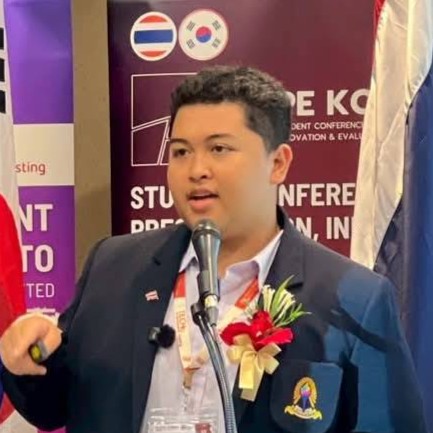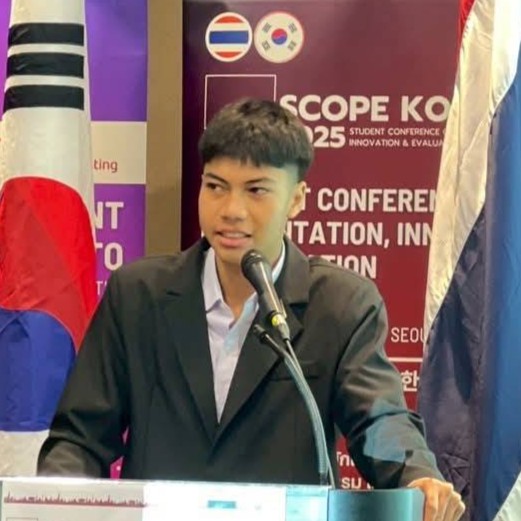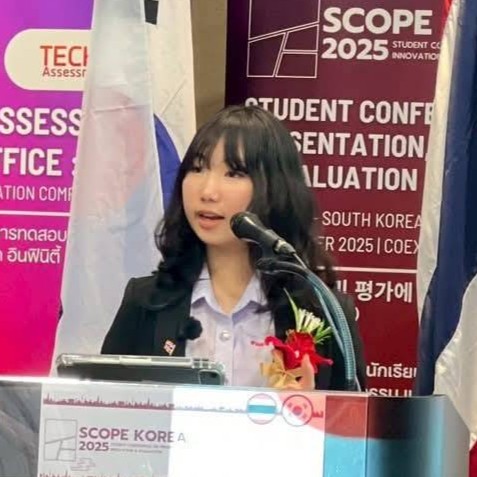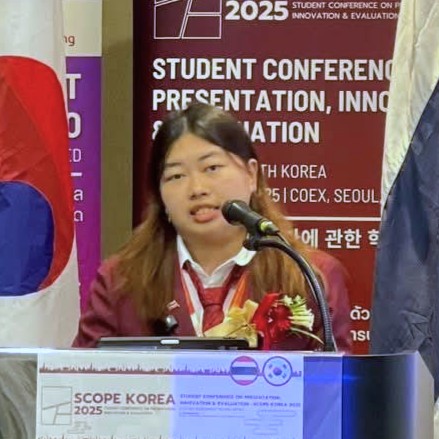
































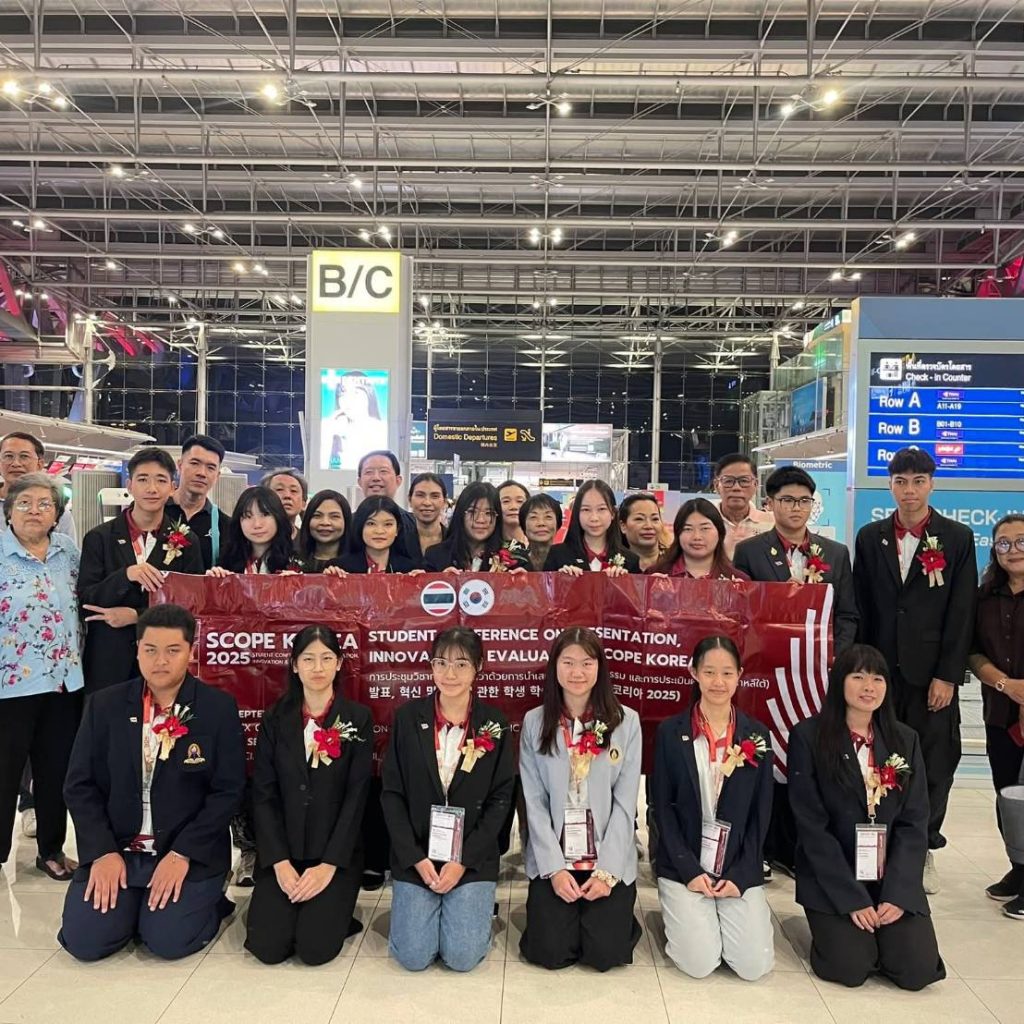


SCOPE KOREA 2025
3-7 SEPTEMBER 2025
GEN 01 · SEPTEMBER 2025
THAILAND × SOUTH KOREA
Presentation Archive
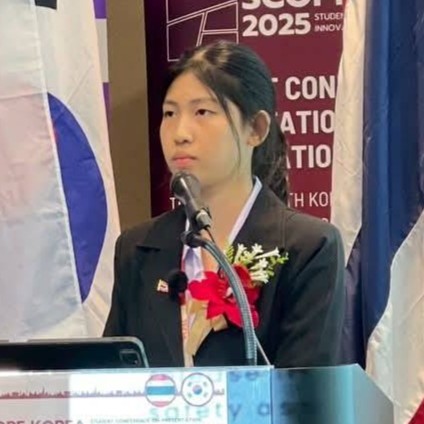
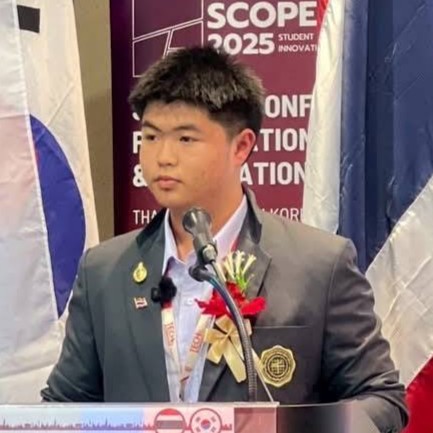
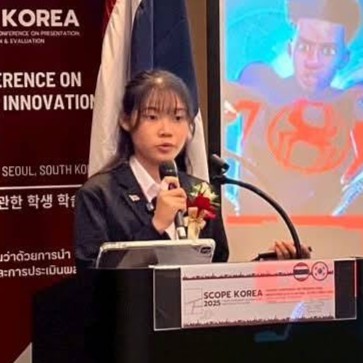
SCOPE KOREA Student Innovation Showcase
Past Presenters & Academic Projects
GEN 01 · SEPTEMBER 2025 THAILAND × SOUTH KOREA
การประชุมวิชาการนักเรียนว่าด้วยการนำเสนอผลงาน นวัตกรรม และการประเมินผล (ไทย-เกาหลีใต้) ปี 2025 - 2026
발표, 혁신 및 평가에 관한 학생 학술대회 (스코프 코리아 2025 - 2026)
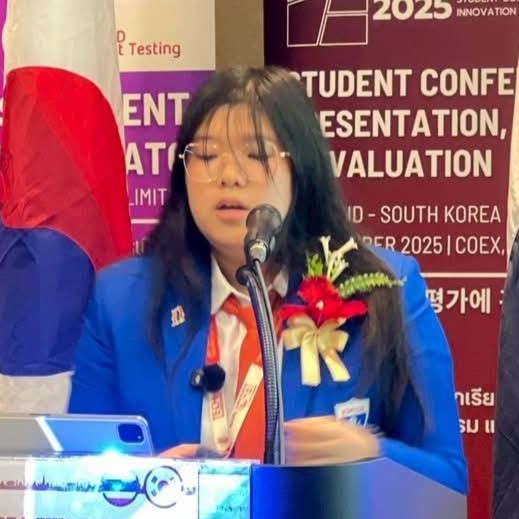
รวบรวมผลงานของนักเรียนที่ได้รับคัดเลือกให้นำเสนอผลงานทางวิชาการและนวัตกรรมในโครงการ SCOPE KOREA


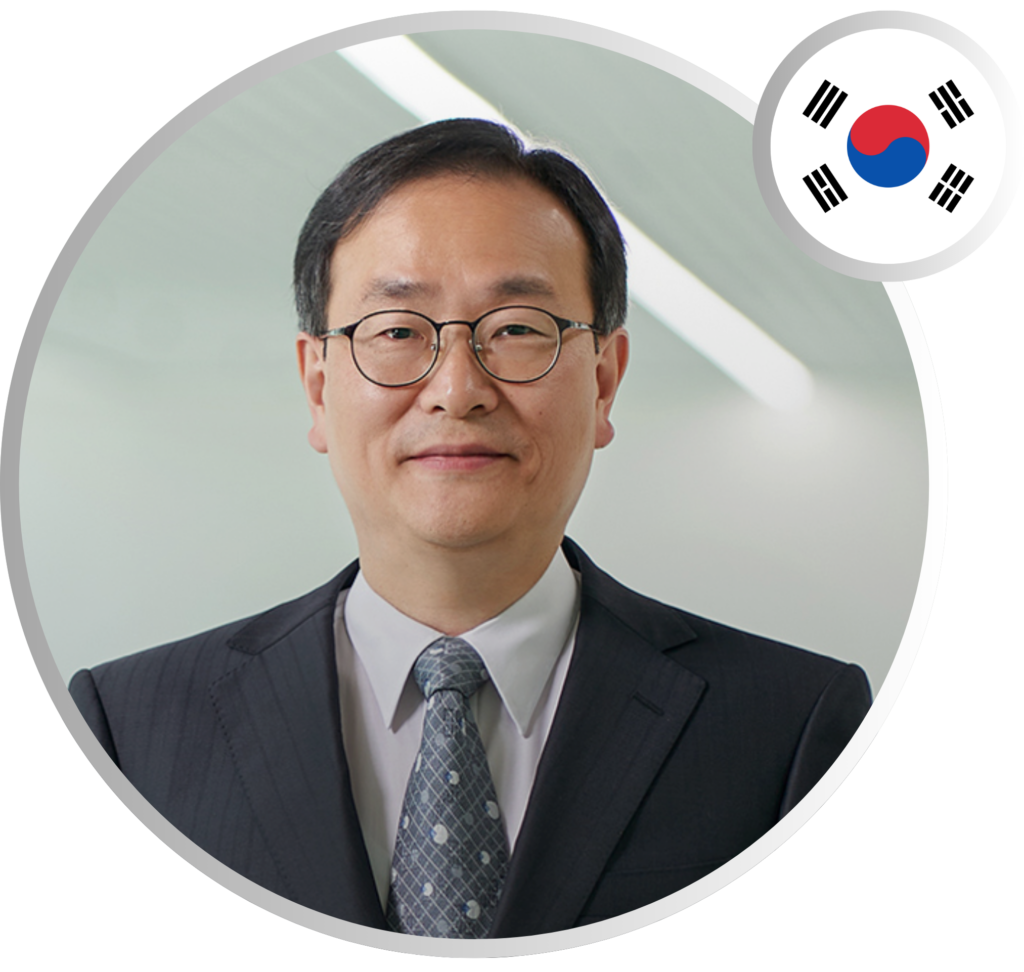
กรรมการผู้ทรงคุณวุฒิและคณาจารย์มหาวิทยาลัยชั้นนำ
ศาสตราจารย์ ดร. ควอน-ยูล รยู
อดีตรองคณบดีคณะวิทยาศาสตร์ชีวภาพ และอดีตหัวหน้าภาควิชาวิทยาศาสตร์ชีวภาพ มหาวิทยาลัยโซล (University of Seoul, South Korea)
ผู้เชี่ยวชาญด้านชีวเคมี (Biochemistry) และวิทยาศาสตร์ประสาท (Neuroscience) มีผลงานวิจัยตีพิมพ์มากกว่า 20 ปี
ในวารสารชั้นนำระดับโลก
ศาสตราจารย์ นพ. ดร. บอมโจ โอ
ภาควิชาเวชศาสตร์ มหาวิทยาลัยแห่งชาติโซล
(Seoul National University, สาธารณรัฐเกาหลี)
ผู้ทรงคุณวุฒิและอาจารย์แพทย์ โรงพยาบาล SMG-SNU Boramae Medical Center สาธารณรัฐเกาหลี มีผลงานวิจัยตีพิมพ์มากมาย
ในวารสารชั้นนำระดับโลก
ผู้ช่วยศาสตราจารย์ ดร. ฮงอิก ฮวาง
ภาควิชาวิทยาศาสตร์ชีวภาพ มหาวิทยาลัยโซล (University of Seoul, South Korea)
ผู้เชี่ยวชาญวิศวกรรมศาสตร์และด้านประสาทวิทยาศาสตร์ (Neuroscience)
การทำงานของสมอง ระบบการเรียนรู้ ความจำ และความผิดปกติทางจิตเวช จบปริญญาเอกจาก
Massachusetts Institute of Technology (MIT, USA) มีผลงานวิจัยตีพิมพ์มากมายในวารสารชั้นนำระดับโลก
รองศาสตราจารย์ ดร. จงชาน คิม
ภาควิชาวิทยาศาสตร์ชีวภาพ มหาวิทยาลัยโซกัง (Sogang University, South Korea)
ผู้เชี่ยวชาญด้านมะเร็งวิทยา (Cancer Biology) มะเร็งต่อมลูกหมาก กลไกการเกิดเนื้องอก และงานวิจัย non-coding RNA มีผลงานวิจัยร่วมกับศูนย์มะเร็งชั้นนำของโลก อาทิ MD Anderson Cancer Center (USA) สถาบันมะเร็งอันดับ 2 ของโลก
SCOPE KOREA 2025 3-7 SEPTEMBER
GEN 01 · SEPTEMBER 2025
THAILAND × SOUTH KOREA
Presentation Archive
Discover student innovations, academic ideas, and presentations from previous generations of SCOPE KOREA. สำรวจผลงาน แนวคิด และการนำเสนอทางวิชาการของนักเรียนไทยจาก SCOPE KOREA รุ่นที่ผ่านมา


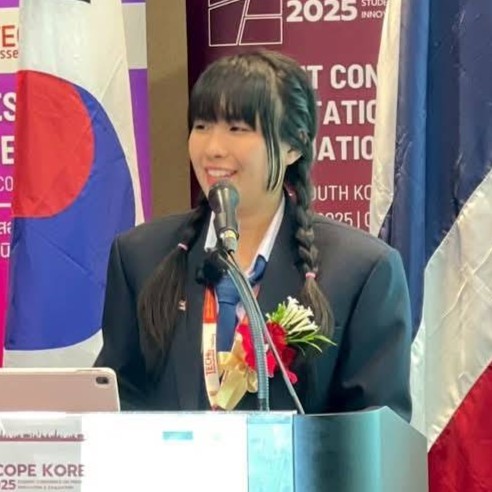
ณ ศูนย์ประชุมและการจัดนิทรรศการโคเอ็กซ์ กรุงโซล สาธารณรัฐเกาหลี เมื่อวันเสาร์ที่ 6 กันยายน 2568
National Healthcare Service Application (LINE-Based Integration)
Visiting various hospitals can make treatment less effective because doctors may lack access to a patient’s complete medical history.
In Thailand, LINE is the most widely used communication app with millions of daily users across all age groups.
This research proposes a LINE-based healthcare service application that integrates electronic medical records (EMRs), appointment management, and public health functions into a familiar platform
To create a healthcare application based on LINE that centralizes medical records and enhances treatment quality, accessibility, and patient participation.
To evaluate current healthcare apps and pinpoint potential issues such as user usage, system connection, and data privacy
Centralizing medical records on a well-known platform like LINE enhances continuity of care, increases healthcare accessibility, and improves efficiency by simplifying patient-provider communication.
Healthcare professionals can consult more quickly and make fewer mistakes, while patients are more involved in their health and adhere to treatment plans.
The effectiveness of public health initiatives, such as vaccination campaigns and preventative care programs, is expected to increase
Improving Antifungal Drugs for the Future
Fungal infections can cause serious illness, especially in people with weak immune systems.
Current antifungal drugs are few, sometimes toxic, and face growing resistance.
This study looks at how antifungal drugs work, finds their weaknesses, and suggests better ways for future treatments
- Review current antifungal drugs
- Identify problems (toxicity, resistance, limited options)
- Suggest better treatment strategies for the future
Fungal infections are a serious health problem, especially for people with weak immune systems, while current antifungal drugs are limited, can cause side effects, and are becoming less effective because fungi develop resistance.
By reviewing recent studies, this work shows both the strengths and weaknesses of existing drugs and points out where improvements are needed.
Expected impacts include guiding new drug development, supporting safer treatment choices, reducing resistance issues by proposing new strategies, and helping health systems prepare for future fungal threats
Applying CRISPR/Cas9 to Develop Blast-Resistant IN Thai Jasmine Rice (KDML105) BY FOCUSING IN THAILAND
A major problem for Thailand’s main rice crop, Jasmine rice (KDML105), is rice blast disease caused by the fungus Magnaporthe oryzae, which can cut rice harvests by 10% to 30%.
While traditional breeding and chemical sprays exist, they have limitations such as being slow, expensive, environmentally harmful, or ineffective as the fungus develops resistance.
This study uses CRISPR/Cas9 gene-editing to turn off certain genes (such as OsERF922 and Pi21) to make rice resistant to the fungus without degrading its quality, aroma, or harvest
To apply CRISPR/Cas9 to improve resistance of Thai Jasmine rice (KDML105) against rice blast disease, aiming to reduce crop losses
Using CRISPR/Cas9, this study aims to precisely edit Thai Jasmine rice (KDML105) genes to make it resistant to rice blast disease without losing its good qualities.
If successful, this would help farmers by reducing crop loss and fungicide costs, while also helping Thailand keep KDML105 as a valuable crop.
The findings could also be used for future research to create other resistant rice types
Autogenous Tooth ransplantation: Novel Approach for Artificial Intelligence Powered Fully Guided transplantation
Autogenous tooth autotransplantation (TAT) is an important alternative for replacing missing teeth in aesthetic zones.
The use of artificial intelligence (AI) and totally enhanced virtual planning to assist in surgical procedures might be advantageous in reducing manipulation of the root surface and the extra-alveolar time.
Consequently, this minimizes the risk of trauma to the periodontal ligament and reduces the total surgical procedure time
To develop a novel protocol for AI-powered fully guided TAT using virtual planning digital technology to assist in treatment planning and surgical procedures.
To compare the outcomes of mature premolar TAT in the aesthetic zones using conventional versus AI-fully guided premolar tooth autotransplantation using virtual planning and surgical technology
The use of an AI-powered fully guided TAT protocol in mature premolars will reduce risks of complications and provide short-term high success rates and survival rates.
Moreover, the dimension of the alveolar ridge in the aesthetic zone was maintained
An AI-Powered Mobile Application for Early Detection and Prevention of Psychiatric Complications
Psychiatric patients often face preventable complications such as NMS, fatigue, and withdrawal, which are caused by medication side effects, relapse, or comorbidities and are often overlooked.
Continuous monitoring through digital phenotyping, stress biochemistry, and AI-powered predictions allows for earlier detection and safer interventions
To support psychiatric patients by preventing conditions from worsening, turning daily signals into early insights that guide safer care and foster healthier, more hopeful lives
In conclusion, this project introduces an AI-powered app that uses digital phenotyping and sweat cortisol monitoring to detect psychiatric complications early.
With further validation, this system could become a practical and predictive tool for improving psychiatric outcomes
Assisted system for dental alignment in patients with oral cleft deformities
Cleft lip and palate (CLP) patients necessitate intricate orthodontic treatment; however, access to specialized care is frequently restricted.
With advancements in AI and deep learning, there is potential for more precise analysis of dental imaging.
Consequently, this project aims to develop an AI-driven dental alignment system designed to assist orthodontists and enhance care for CLP patients
This project seeks to develop an AI system designed to analyze dental images for the automatic identification of irregularities in dental alignment and jaw structure, specifically targeting patients affected by cleft lip and palate.
By enhancing treatment planning, it enables more accurate, personalized care and broadens access to specialized dental services
In summary, our project represents more than a technological solution; it exemplifies the potential of AI to redefine patient-centered care.
By offering unparalleled precision and personalization in treatment planning for oral cleft deformities, we are advancing the field of orthodontics and fundamentally transforming the patient journey.
We replace uncertainty with confidence and deliver not only a corrected smile but also a significant step towards enhanced well-being
Bright box: improving cognitive development and motor skills through serious gameplay
Children with ADHD and related conditions often face challenges with cognitive function and fine motor skills, which serious games and play-based activities with therapeutic goals can help improve.
BrightBox integrates interactive challenges that strengthen working memory, focus, inhibitory control, motor coordination, and goal orientation to offer a fun and effective tool for cognitive and motor development
Create an engaging tool that enhances cognitive functions and develops fine motor skills
BrightBox’s structured approach integrates therapeutic goals into engaging serious games, providing an engaging way to enhance cognitive and motor skills.
By using features like time limits and win/lose cycles, it motivates users while supporting therapists and educators.
The expected impact is a measurable improvement in user skills, alongside a standardized and effective tool for everyday home use and professional therapeutic intervention
Messaging Medicine: Using Line OA to improve treatment adherence
Chronic diseases such as Type 2 diabetes are among the most pressing health challenges in Thailand, affecting over 5 million adults, with the majority being older adults.
Poor medication adherence in this population leads to uncontrolled blood glucose, higher risks of complications, frequent hospitalizations, and rising healthcare costs.
LINE, Thailand’s most widely used communication platform, is highly familiar to elderly users, making LINE Official Account (OA) a culturally relevant, low-cost, and accessible tool for delivering medication reminders, educational messages, and interactive engagement
- The objective of this project is to evaluate the potential of LINE Official Account (OA) as a digital health intervention to improve medication adherence among elderly patients with Type 2 diabetes in Thailand
- Specifically, it seeks to explore how LINE OA can be used to deliver timely reminders, educational messages, and interactive engagement in a way that integrates seamlessly into the daily routines of older adults
By leveraging a platform already widely used by elderly patients, LINE Official Account (OA) messaging offers a culturally appropriate and accessible method to improve medication adherence in Type 2 diabetes.
Improved adherence is likely to result in better glycemic control, reduced incidence of diabetes-related complications, and fewer hospitalizations, thereby alleviating the burden on healthcare facilities and reducing associated costs.
Consistent engagement through LINE OA can empower elderly patients to take a more active role in managing their health, increasing self-efficacy and confidence in disease management
Hydrostatic Bicycle with Integrated Planetary Gear Transmission
Hydraulic bicycle technology uses fluid flow between a pump and motor for power transfer, offering smooth, chainless operation, continuous shifting, and potential for energy recuperation.
Planetary gear systems are compact, space-efficient, and durable, distributing load across multiple gears for improved wear and robustness.
Merging planetary gearing with hydraulic transmission aims to leverage the high transmission ratio and compact form of planetary gears with the flexibility and sealed cleanliness of hydraulic systems
- Achieve smooth, variable gearing under load
- Enhance power transmission efficiency
- Ensure compactness and durability in a sealed system
A hydraulic-planetary hybrid drivetrain can offer seamless shifting, fewer external moving parts, and energy recovery benefits.
The compact planetary gear adds fine-tuned control in a space-effective package, enhancing versatility.
If prototyped successfully, this drivetrain could chart new paths for innovative, low-maintenance, eco-friendly bicycle designs
BIONANOBOTS: Intelligent Nanorobots for Targeted Drug Delivery
Current treatments for cancer and cardiovascular diseases often affect healthy cells as well as abnormal ones, causing side effects, while monitoring progress is slow, making timely adjustments difficult.
BioNanoBots act as precise drug delivery vehicles, moving in the bloodstream, detecting disease signals, releasing drugs only at affected sites, and sending real-time data to doctors
- BioNanoBots aim to make treatment safer and more precise so that patients receive targeted therapy with fewer side effects while doctors can adjust treatment in real time
- This approach supports personalized medicine by tailoring therapy to each patient rather than using the same method for everyone
BioNanoBots represent a major step toward patient-centered medicine by delivering drugs precisely to affected areas, reducing unnecessary side effects, and enabling doctors to adjust treatments in real time based on data returned from the nanorobots.
This innovation provides a model for personalized care and has an immediate, tangible impact by improving patient quality of life and reducing unnecessary suffering during treatment
Bard: Lung cancer screening by BARD Machine
Lung cancer is one of the leading causes of cancer-related mortality worldwide and is often diagnosed at advanced stages.
Current diagnostic methods have identified aldehydes in exhaled breath as clinical biomarkers associated with the onset and progression of lung cancer.
Given the importance of early detection, this study proposes the development of an innovative screening approach by integrating artificial intelligence (AI) and the internet of things (IoT) with these biochemical processes
- To design and develop a screening method for lung cancer through exhaled breath analysis using DNPH (2,4-dinitrophenylhydrazine)
- To advance the quantification of aldehydes by utilizing fluorescence signals integrated with artificial intelligence (AI) to enhance accuracy, reduce errors, and establish a data-driven diagnostic system
- To implement an IoT-connected display platform for presenting real-time screening results and enabling continuous health monitoring
The BARD innovation provides a new approach to lung cancer screening through exhaled breath analysis by employing DNPH to trap aldehydes—key biomarkers of lung cancer—and utilizing fluorescence-based detection integrated with artificial intelligence (AI) and IoT connectivity.
The system enables a screening method that is rapid, accurate, non-invasive, and accessible, improving public health by enabling early detection or of lung cancer, reducing mortality, and lowering healthcare costs associated with late-stage treatment.
It enhances accessibility to screening programs in both urban and rural communities, particularly in unserved areas, while serving as a model for integrating biochemistry, AI, and IoT for innovative medical technologies with global potential, creating commercial opportunities for portable medical devices, reducing costs, and driving growth in the healthcare sector
Smart Telemonitoring and Personal Care System for Elderly Care in Thailand Context
Thailand’s rapidly aging population requires innovative care solutions to support independence, safety, and quality of life.
Traditional family caregiving is increasingly strained, making telemonitoring systems a promising approach for comprehensive elderly personal care
To synthesize global and Thai evidence on telemonitoring for elderly personal care, identify gaps in integration and outcomes, and propose culturally adapted, scalable recommendations for Thailand’s aging population
In summary, this study highlights the technological, organizational, cultural, and financial barriers to telemonitoring in Thailand.
Implementing these telemonitoring strategies is expected to improve healthcare accessibility, reduce elderly health risks, and promote more sustainable elderly care
The Advancement of Spider Silk into the Medical World
Composed mainly of glycine- and alanine-rich proteins called spidroins, it features repetitive amino acid sequences and is stored in soluble form in the spider’s silk glands before being spun into fibers.
According to Structure and Properties of High-Performance Fibers (Bhat, 2017), spider silk is a natural protein fiber with exceptional strength, elasticity, and toughness, making it useful in medicine, defense, and textiles
This literature review aims to review the properties and biomedical applications of spider silk, examine its production methods, and highlight the challenges, limitations, and future research directions for its use in healthcare through the use of past research and applications to study trends and make analyses
In conclusion, spider silk’s unique properties make it a highly promising material for surgical applications, from sutures to tissue engineering.
With ongoing research and technological advances, challenges may be overcome, allowing spider silk to move from experimental studies to real-world medical practice.
This material represents a material that could reshape and enhance the future of surgical treatments
ALZHEIMER STARTS YOUNGER THAN YOU THINK: The Fight to Protect Our Memories
Alzheimer’s disease is commonly associated with the elderly, but recent studies show that the changes in the brain can start decades earlier—even in our 20s or 30s.
The disease is caused by the accumulation of toxic proteins like Amyloid-beta and Tau, which damage neurons and affect memory, mood, and daily function
- To raise awareness of the early onset of Alzheimer’s disease
- To emphasize the connection between adolescent lifestyle behaviors and cognitive decline later in life
- To explore effective preventive measures and early detection methods that support long-term brain health
In summary, this project emphasizes the importance of understanding Alzheimer’s from a younger age.
By raising awareness and promoting prevention habits early, we can reduce the risk of cognitive decline in the future
Hydrogel from Peduncle, seeds, flesh, and husk of durian extracted by 70% ethanol
Durian is a popular fruit in Thailand, but its peduncle, seeds, and husk are often thrown away, creating a lot of waste, though these parts contain useful properties.
The husk contains cellulose used to create hydrogel that helps wounds heal faster, the seeds contain oils with antioxidants that protect the body, and the peduncle has fiber.
This research explores using these parts to reduce waste and create new medical treatments, such as wound care and antioxidant therapy
- To reduce agricultural waste by utilizing durian peduncle, seeds, and husk for creating hydrogel
- To explore the potential of durian byproducts in medical applications, such as wound healing and antioxidant therapies
In conclusion, although the experiment was not fully completed, the research suggests that durian husk has the greatest potential for wound healing due to its antioxidant and anti-inflammatory compounds.
Using durian byproducts can help reduce waste and create value from discarded parts.
While errors limited the results, the findings provide a basis for improving methods and exploring future applications in both healthcare and environmental sustainability
SCOPE KOREA 2025
3-7 SEPTEMBER 2025
GEN 01 · SEPTEMBER 2025
THAILAND × SOUTH KOREA
Presentation Archive
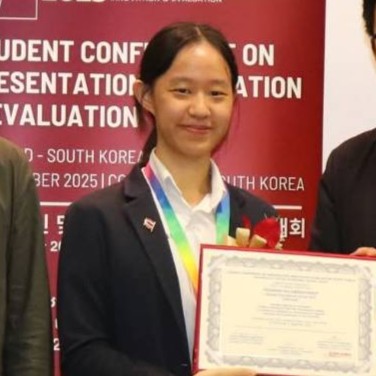
From presentation to recognition
> the next stage could be yours. <
จากการเตรียมผลงาน สู่การนำเสนอในต่างประเทศ และการได้รับการประเมินในเวทีนานาชาติ รุ่นต่อไปอาจเป็นคุณ