I concluded that this is the best approach, without identifying the source or its limitations.
REAL WORK. REAL PEOPLE.
Every experience has a story to tell.
From classroom curiosity to academic presentations, exchange and experiences that help learners grow.
PresentationsLearning experiencesParticipant voices
FROM INSIGHT TO EVIDENCE
Results are a starting point. Work makes the next step visible.
Explore how goals, practice and feedback can connect into evidence of development.
Illustrative case
One observation. A 30-day practice example. · Not a real learner or organization outcome
Establish a starting point
Choose one earlier answer. Underline each conclusion and identify its source and any unsupported claims.
Start with your existing basic-report benefits. Additional analysis is optional.
Viewing step 1 of 4
Open the case: turning feedback into revisions+
The starting task
Suppose a report notes: “Can summarise, but source checking needs work.” Explore how this can become practice with evidence of progress.
Roles and contributions
The learner chooses and explains their own answer. A parent asks reflective questions; a teacher or reviewer responds using agreed criteria.
Feedback to work with
An example reviewer question: Which part of the source supports this conclusion, and what does it leave unanswered?
An illustrative revision
Add a source for each conclusion, separate facts from inferences, and state what still needs checking before a decision.
Evidence a reader can follow
Original task and baseline work / contributor and role / actual criteria and feedback / dated revision / reflection on changes and remaining practice needs.
Review with the same criteria and state limitations. This example does not establish a gain in scores or ability.The example above explains a process. Explore published photographs and work in the archive below.
Explore published records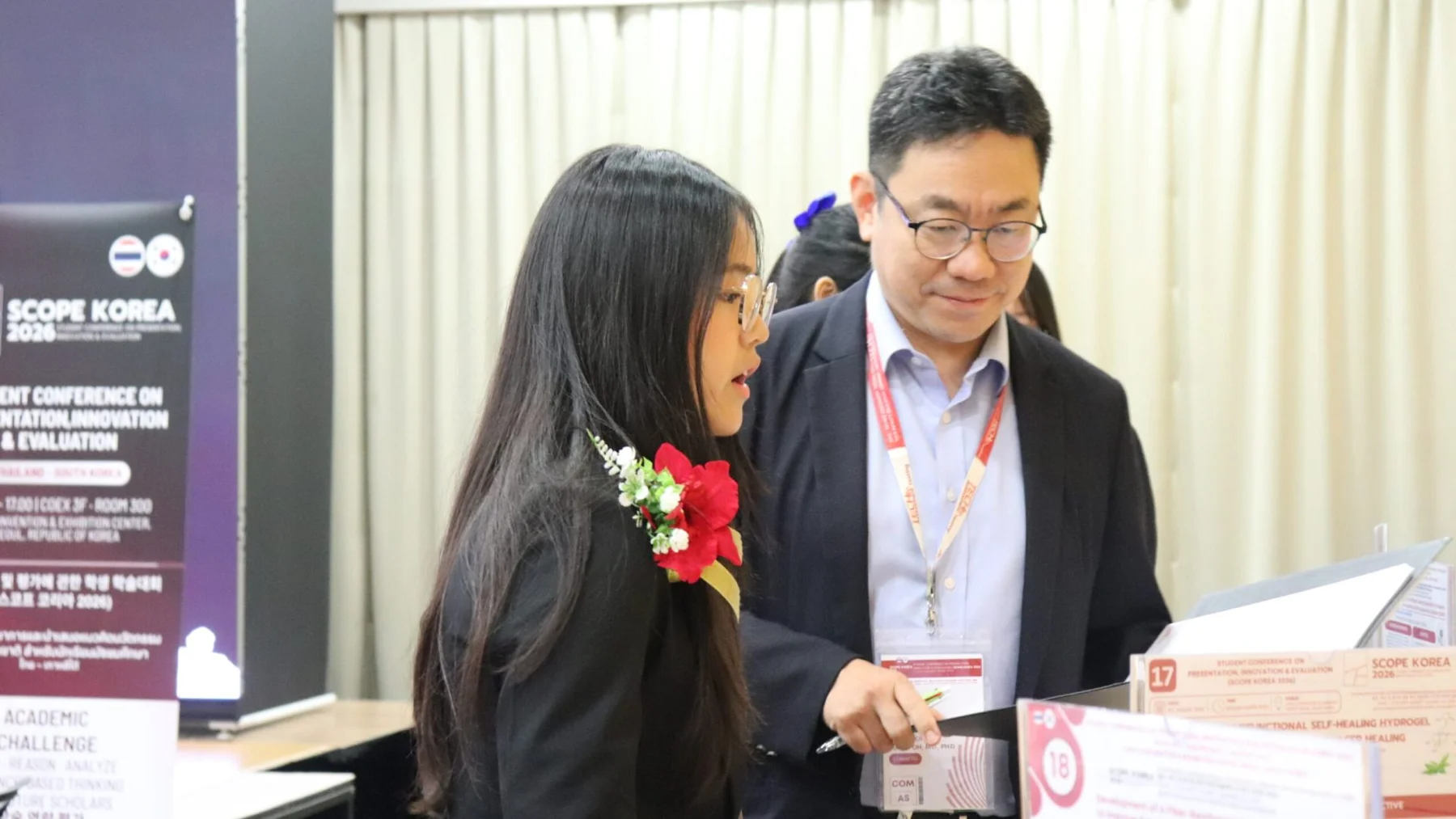
TECHED INSIGHTS / DEEP READS
In-depth reads. Ideas worth exploring.
Nine evidence-informed perspectives, with practical tools and original sources.
 INSIGHTS / 08
Read the data. Examine the reasoning.
Reading research and graphs: conclusions the evidence can support
Start with a clear question, then examine study design, axes, individual observations and uncertainty—with an interactive graph and a worked conclusion.
Read the article & tools INSIGHTS / 09
Let the work show your thinking
A portfolio you can explain: showing capability through one project
Choose evidence that fits your claim, make your contribution visible and explain revisions honestly—with a one-page example and an evidence checklist.
Read the article & tools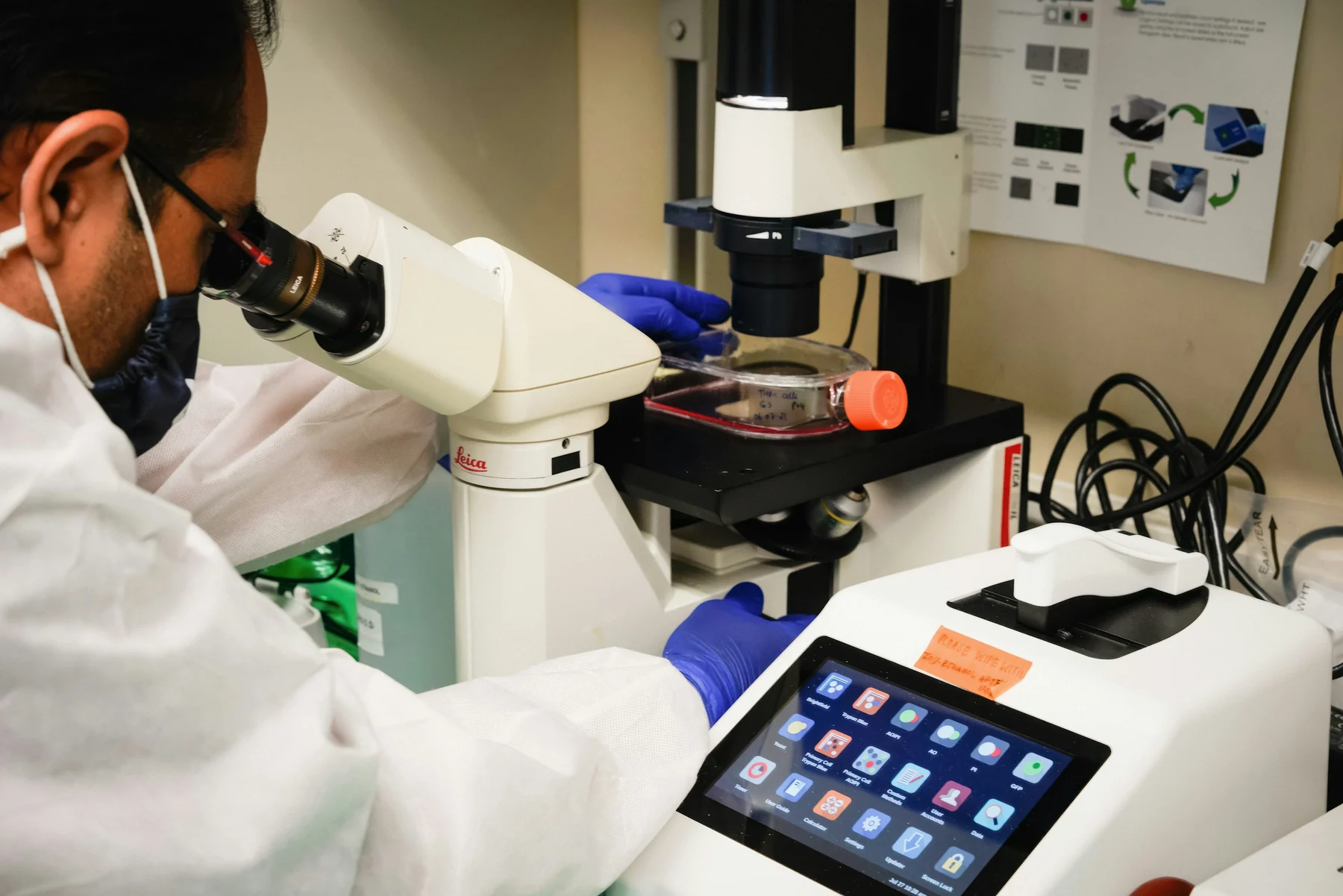 INSIGHTS / 10
Try the work. Explore the path.
Enjoy science? Explore careers through the work people actually do
Explore research, biomedical engineering, data science and biopharmaceutical manufacturing through everyday tasks, with a four-week exploration plan.
Read the article & tools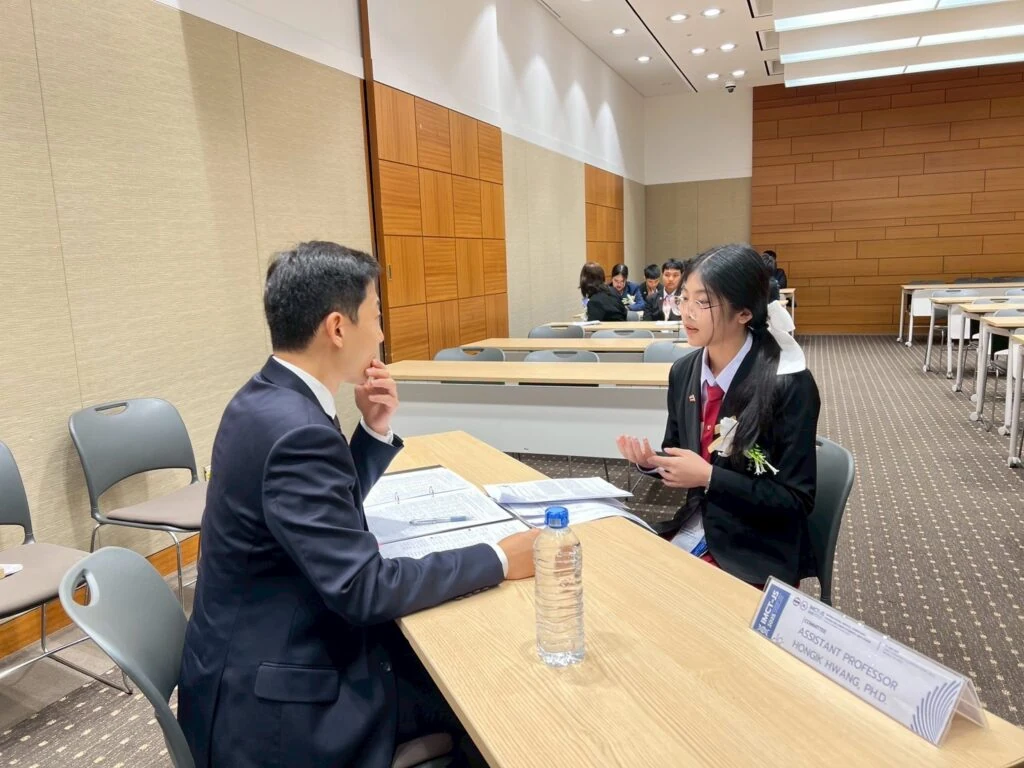 INSIGHTS / 05
Feedback that leads somewhere
From assessors’ questions to stronger student research
Turn feedback into a traceable revision plan, with learning research, examples from the SCOPE KOREA archive and a practical record of decisions and evidence.
Read the article & tools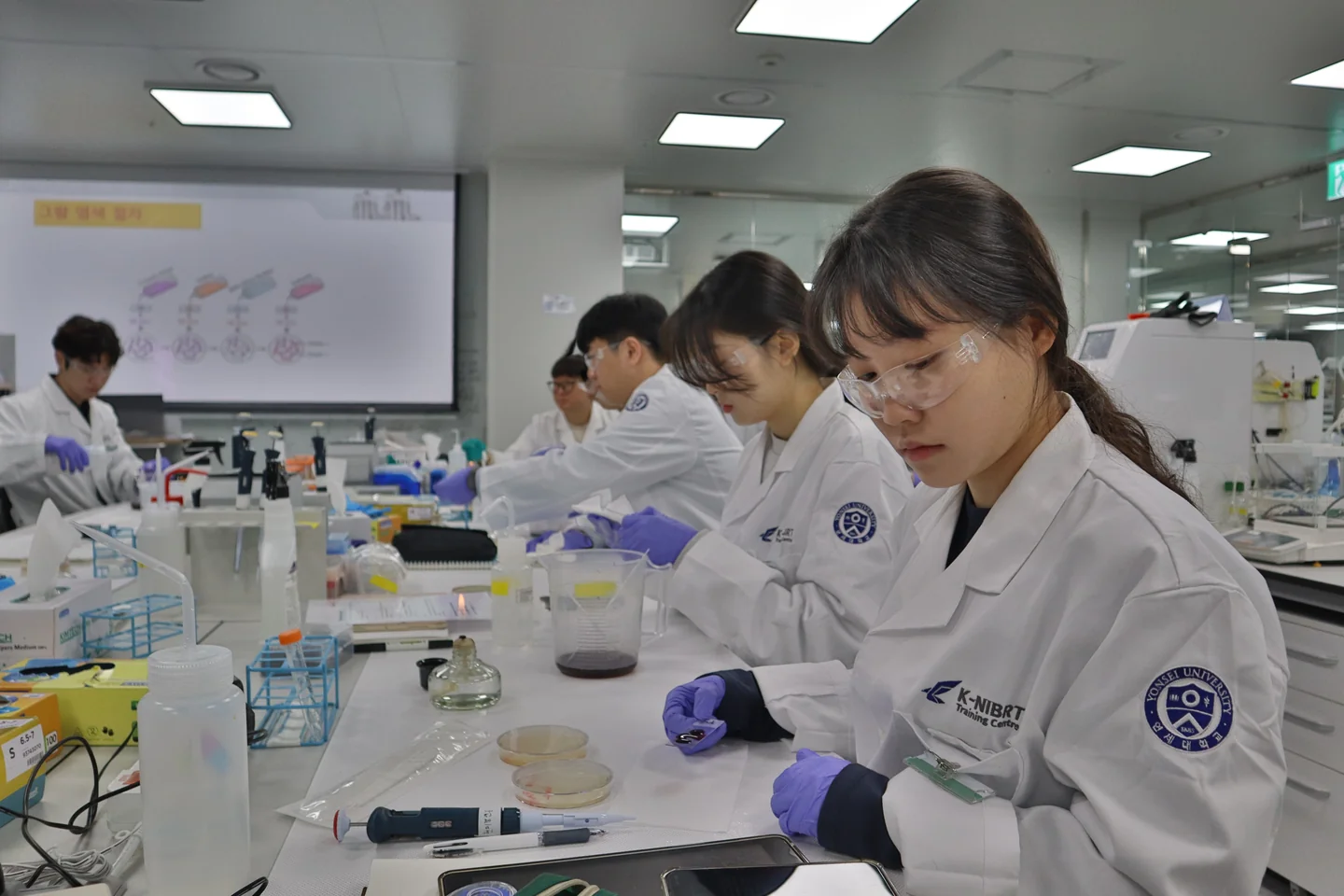 INSIGHTS / 06
A first map of biopharma
From the classroom to biopharma: a learning map for secondary students
Connect cells, proteins, separation, data interpretation and quality with biopharmaceutical manufacturing, using a worked fictional dataset and preparation ideas for K-XCEL.
Read the article & toolsINSIGHTS / 07Learning beyond the event
After the conference: how does learning continue?
A practical 3-, 6- and 12-month follow-up framework for continued work, educational choices and fair interpretation of the evidence.
Read the article & tools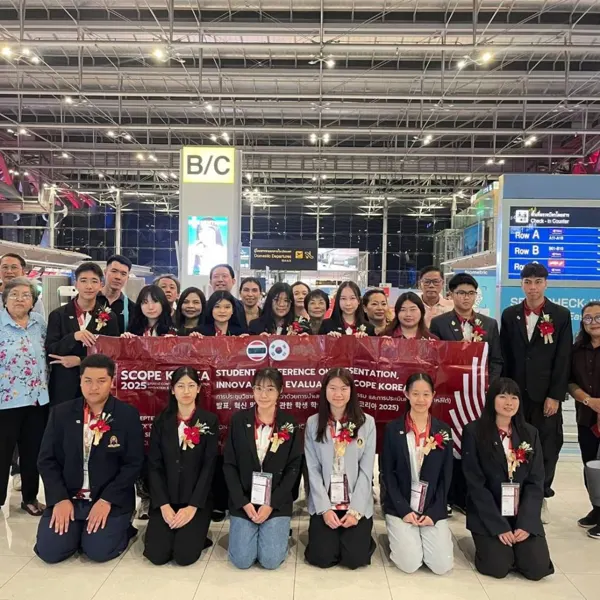 INSIGHTS / 02
Learning through experience
Beyond the visit: bringing learning home
A practical guide to preparing questions, observing with purpose and creating something after returning—so an overseas experience connects with learning at home.
Read the article & tools INSIGHTS / 03
AI and evidence of understanding
When AI helps create the work, how do we see the learning?
Research on AI-assisted learning, with practical ways to document reasoning, check references and give students a fair opportunity to explain their own understanding.
Read the article & tools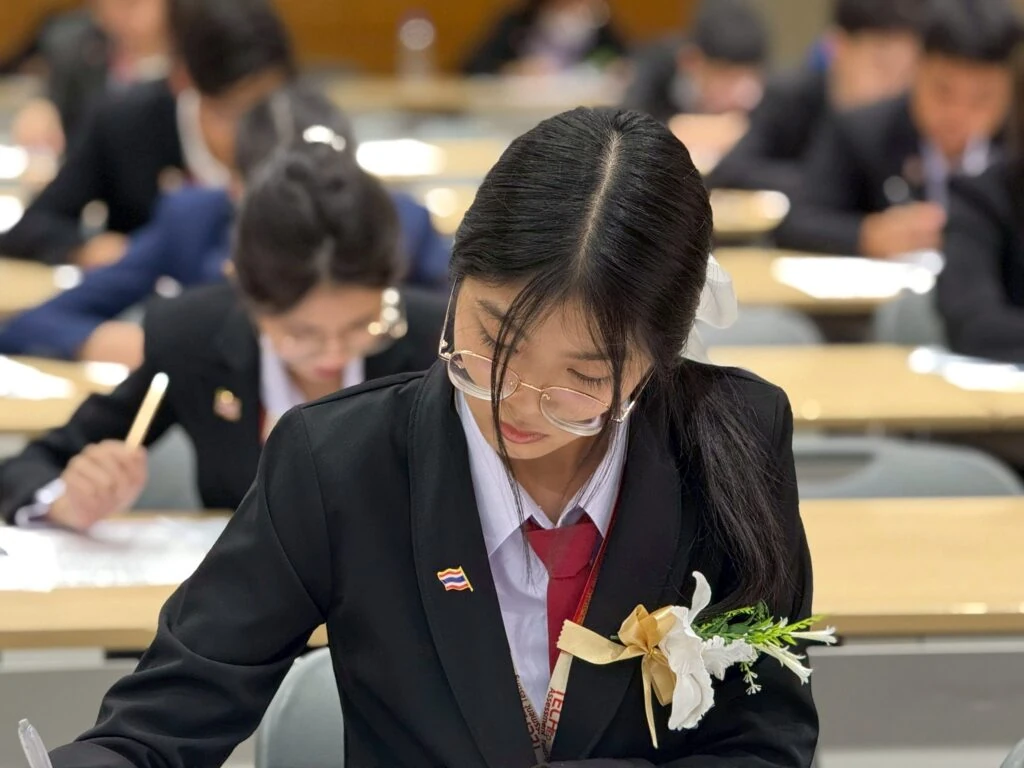 INSIGHTS / 04
Assessment for the next step
What aptitude scores can tell us—and how to plan the next step
Separate aptitude, knowledge, interests and experience; interpret results with their limits in view and build a practical four-week learning plan.
Read the article & tools01FROM OUR OFFICIAL PAGE
Visit the official pageFollow the moments that shape our learners’ journeys.
Selected stories from TECH Education’s page: presentations and participant voices. Open the original posts for full details and media.
Summaries refer to the page’s public text. Full details and photographs are in the original posts.

02THE ACADEMIC & EXPERIENCE ARCHIVE
TECH EducationMore stories on FacebookEvery stage holds a project. Every experience, a lesson.
Explore each edition through five selected photographs, its story and locations. Continue on TECH Education’s page for more.
Activity photographs show context and participation; project rosters show published entries. Individual development requires work samples, criteria and feedback.
SCOPE KOREA · Third edition
COEX · Seoul, South Korea
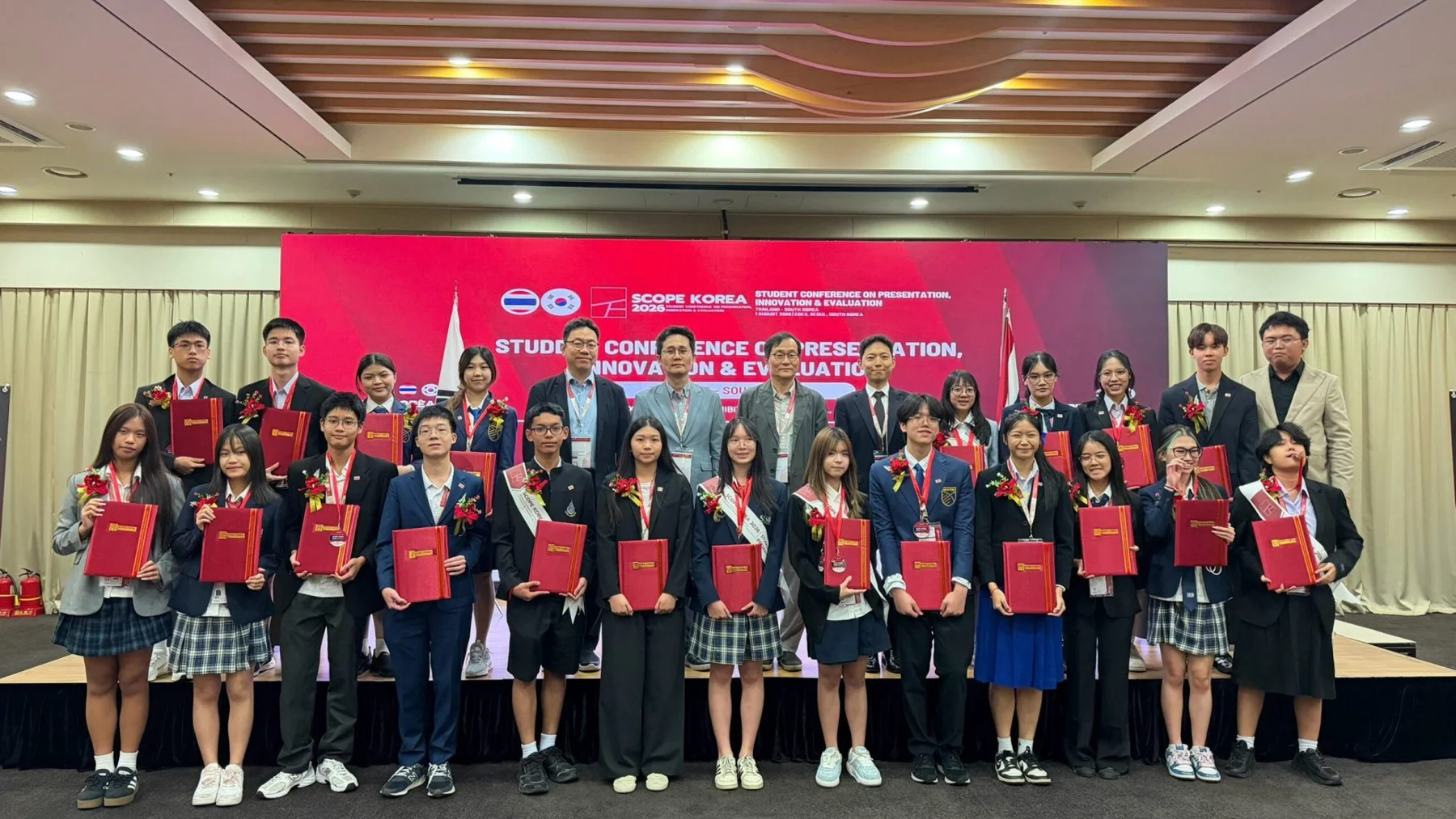
Research reached the COEX stage on 1 August 2026, where students explained their ideas, answered questions and discussed their work with academics. Explore the accompanying project, presenter and school directory.
Academic presentations Academic discussion
Explore projects, presenters & schoolsSCOPE KOREA · Second edition
Seoul · South Korea
Learning on site and communicating original work: this edition’s record includes the Samsung Medical Center study visit, university exploration, preparation and presentations to assessors.
Samsung Medical Center Presentations & study visits
Explore projects, presenters & schoolsSCOPE KOREA · First edition
Seoul · South Korea
Revisit the first SCOPE KOREA edition through its journey, project preparation, presentations and cultural learning. The first-edition directory includes project titles and presentation videos.
The first presentation edition Learning & cultural exchange
Explore projects, presenters & schoolsIMCT-JS 2025 · The international stage at COEX
COEX · Seoul, South Korea
The international medical competency program for junior students combined a paper-based test, research interview and discussion, and Junior Three Minute Thesis (J3MT) academic communication.
Research Interview & Discussion Junior Three Minute Thesis · J3MT
IMCT-SS 2024 · An academic stage in Kyoto
Kyoto International Conference Center · Japan
International Medical Competency Testing for Senior Students took place in Hall D at Kyoto International Conference Center on 21 June 2024. This album includes the event and the program journey from 19–22 June.
International medical competency Learning & traveling in Japan
Medical Science Aptitude · National 2/2023
National round · Thailand
A record of the national Medical Science Aptitude Development and Testing round held on 23 July 2023. Photographs of participants, the assessment room, written work and award presentations preserve this chapter of the program.
National assessment round Awards & certificates
Records & further reading
Program announcements and learning records to explore further.
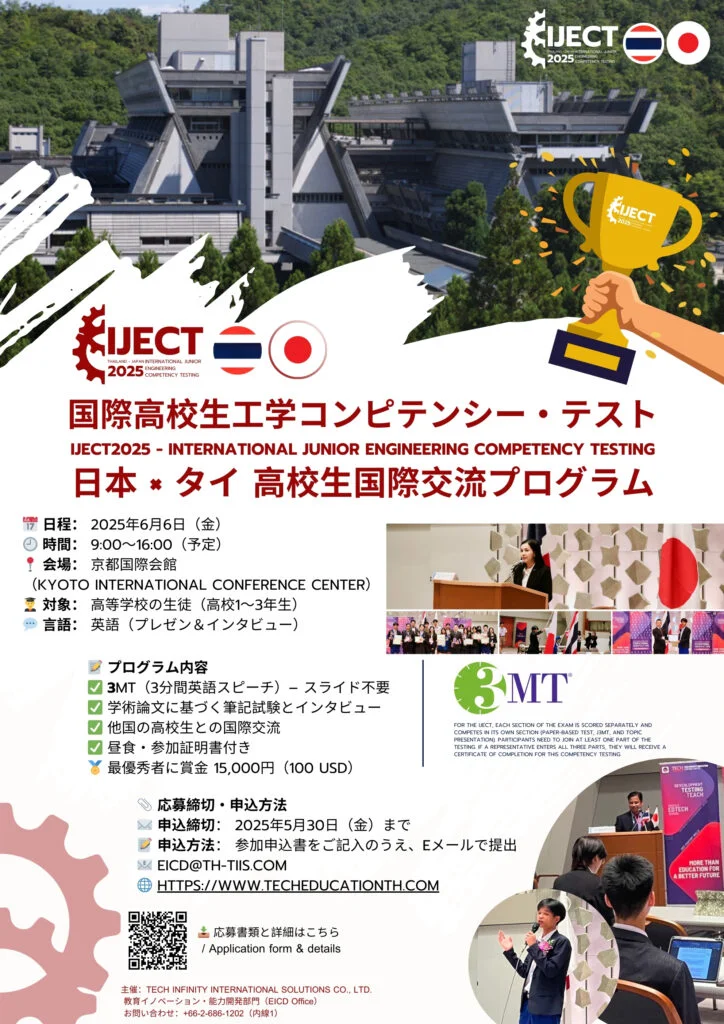
IJECT · 2025 program
IJECT 2025 · Japan
International Junior Engineering Competency Testing and Thai–Japanese exchange in 2025, with earlier IMCT-SS 2024 photographs from the original page.
Read the recordKMITL · Learning record
Learning beyond the classroom at KMITL
Learning resources and university perspectives from the TECH Education archive.
Read the recordKMITL · University exploration activities
KMITL · World University Mission
Activities for asking university students questions, exploring disciplines and connecting school subjects with future pathways.
Read the recordEDAT · 2021 program
EDAT 2021 · Engineering skills
An archive of the engineering skills development and testing program for secondary-school students, with year-specific reference information.
Read the recordReal photographs from TECH Education’s program website archives. These are historical records; visit our official page for more stories.
IMCT-JS / JUNIOR THREE MINUTE THESISFrom deeper understanding
From deeper understanding
to three minutes of clarity.
The next step after analysis is helping others understand what you have studied. Watch Miss Maria Ahn’s Junior Three Minute Thesis (J3MT) presentation at IMCT-JS 2026.
International Medical Competency Testing
for Junior Students
A real presentation · IMCT-JS 2026

Allow videos to playJunior Three Minute Thesis · Maria AhnTECH Education
Demonstrate knowledgePaper-Based Test1
Discuss the reasoningResearch Interview & Discussion2
Make the idea clearJunior Three Minute Thesis3
YOUR NEXT STORY STARTS HERE.
Your next experience could be a story worth sharing.
Explore programs that match your interests and prepare for the next step.